Visiting: Cusco · Ollantaytambo · Km 82 (Piscacucho) · Wayllabamba · Dead Woman's Pass · Wiñay Wayna · Inti Punku · Machu Picchu
Overview
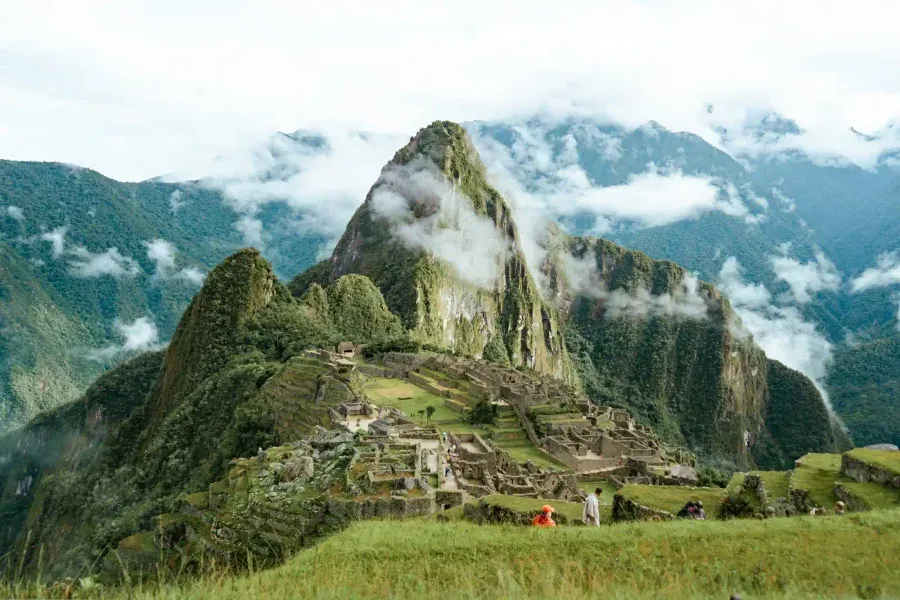
The Inca Trail 4 Days is Peru's most iconic trek — the only route that reaches Machu Picchu on foot along original Inca pathways. Over four days you cross the 4,215 m Dead Woman's Pass, walk past cloud-forest ruins such as Runkurakay, Sayacmarca, Phuyupatamarca and Wiñay Wayna, and enter the citadel at sunrise through Inti Punku, the Sun Gate.
This is a fully all-inclusive trek: your Inca Trail permit, Machu Picchu entrance, professional bilingual guide, porters, cook, all camping equipment, meals and the return train are included — with no hidden fees.
📅 Permits are strictly limited. The government issues only 500 Inca Trail permits per day (including guides and porters), so dates sell out months ahead — especially May to September. Permits are nominative and bought with your passport details, and the trail closes every February for maintenance. Machu Picchu entrance is included on Circuit 2.
Day-by-Day Itinerary
-
1
Cusco → Km 82 → Wayllabamba
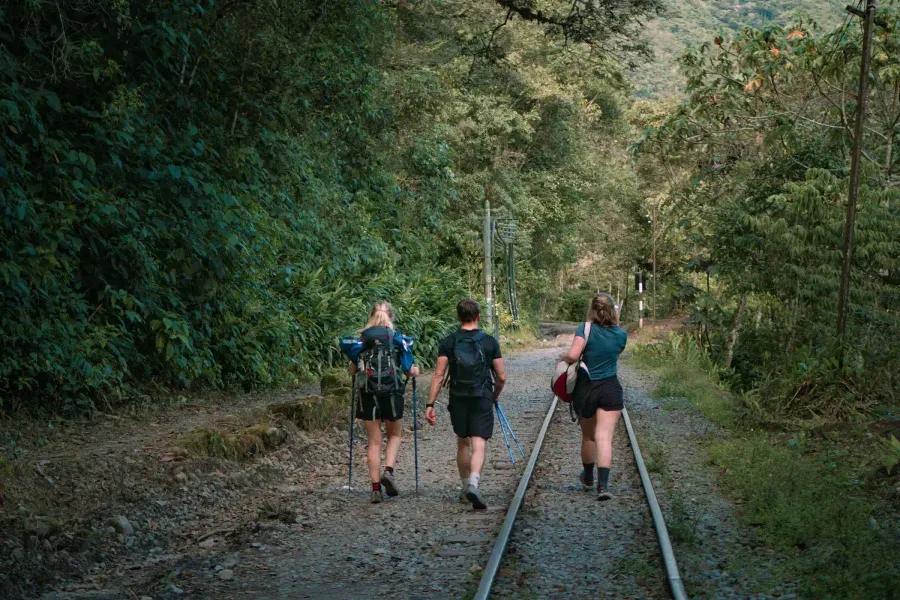
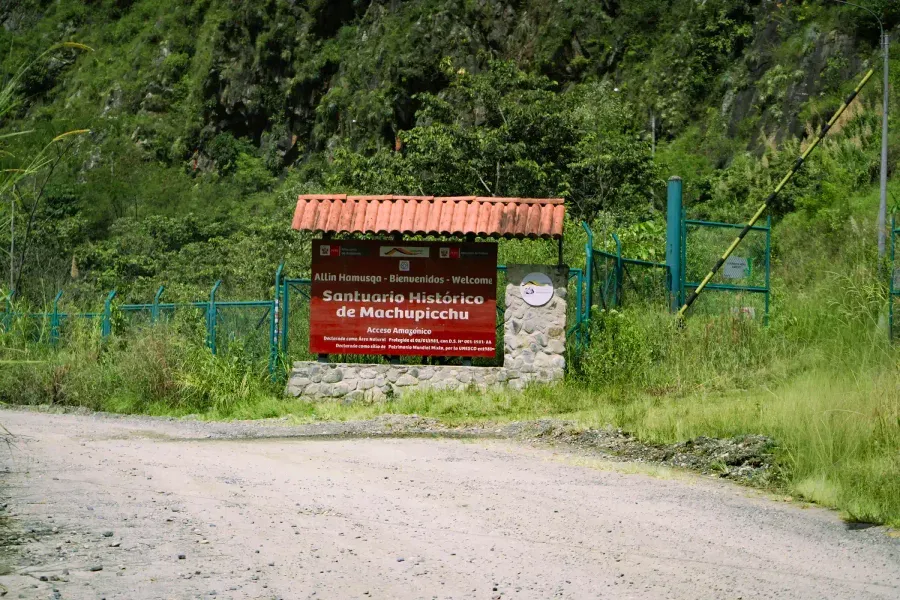
Your adventure begins with an early hotel pick-up in Cusco between 5:30 and 6:00 am, followed by a scenic 2-hour drive to Km 82 (Piscacucho), the official starting point of the Inca Trail. After checking in at the control point and crossing the Urubamba River, you officially enter the legendary Sacred Valley of the Incas.
This first day is relatively easy and serves as a gentle introduction to the trek, helping you acclimatise to the altitude and terrain. Surrounded by snow-capped peaks, lush vegetation and the sound of the river, you pass the impressive Llactapata archaeological site — your first taste of Inca civilisation — before a gradual ascent to the Wayllabamba campsite at 3,000 m.
Good to know: This easy first day is ideal for getting used to the trail; expect warm and occasionally windy weather as you settle in.
-
2
Wayllabamba → Dead Woman's Pass → Pacaymayu
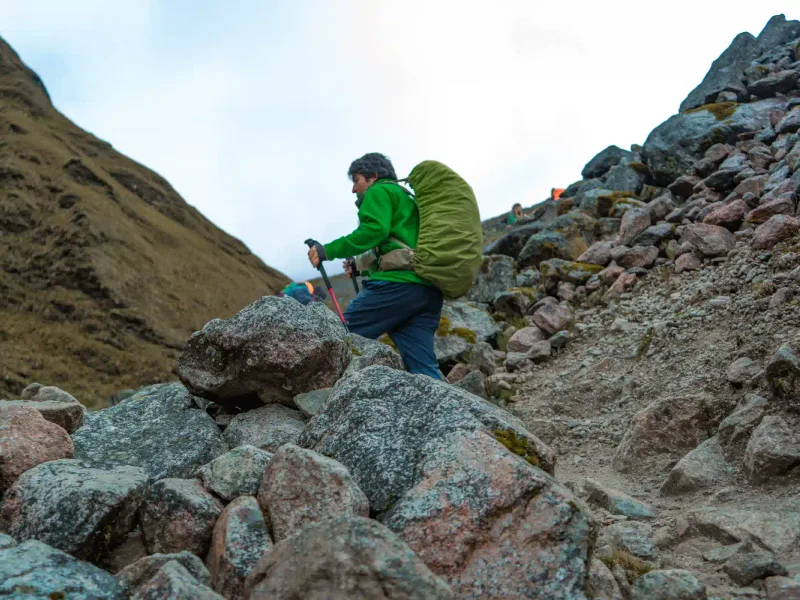
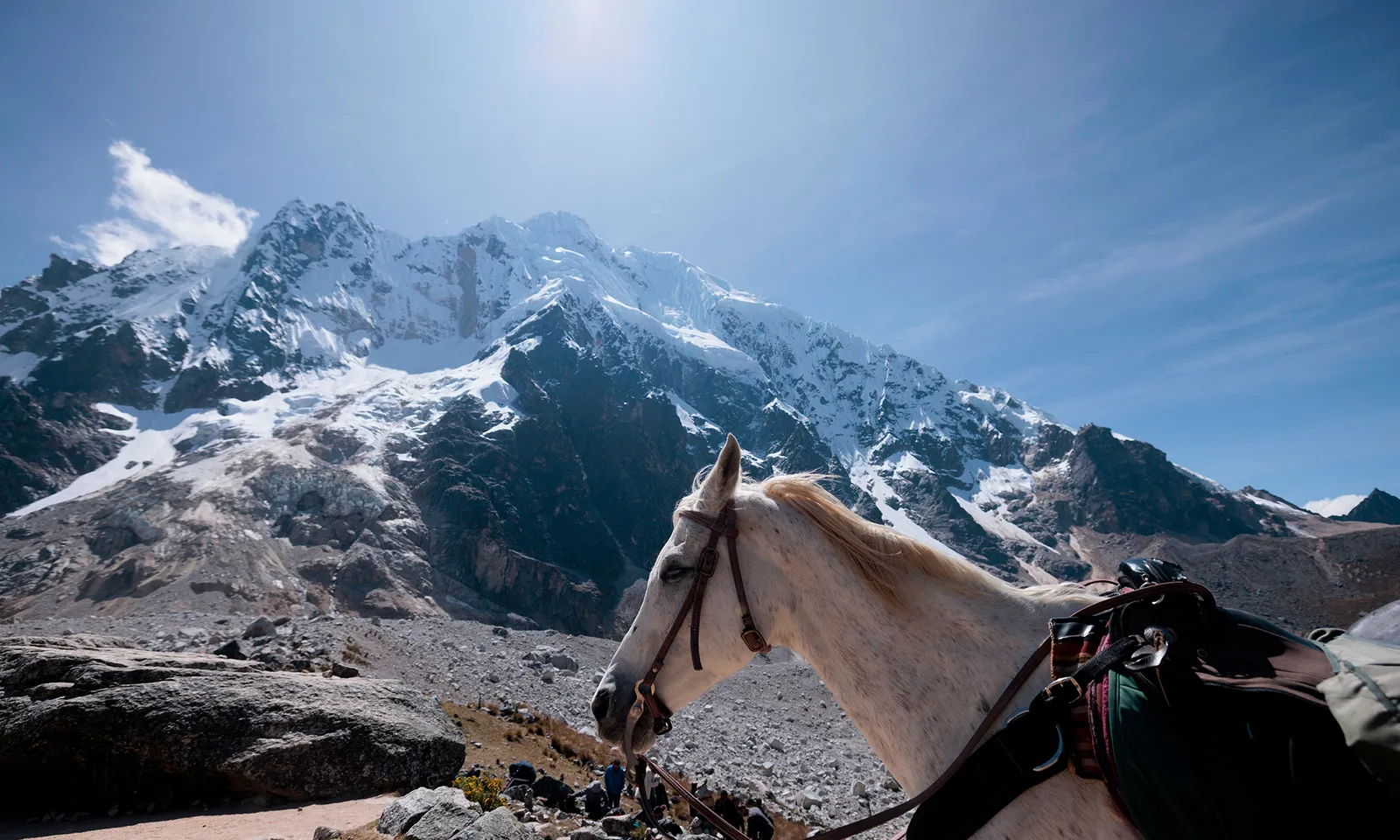
Day two is known as the most challenging yet rewarding day of the Inca Trail. You face a steep, demanding ascent to Warmiwañusca, famously known as Dead Woman's Pass, the highest point of the trail at 4,215 m. The climb requires stamina and pacing, but the panoramic views of the Andean range from the summit are truly unforgettable.
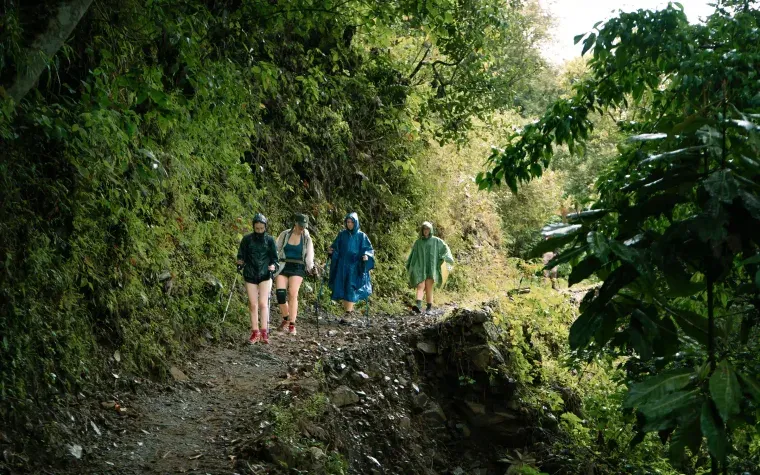
After conquering the pass, you begin your descent into the lush Pacaymayu valley, where the landscape transitions into the mystical cloud forest. Along the way you encounter fascinating Inca ruins such as Runkurakay and the fortress-like Sayacmarca, before arriving at the Pacaymayu campsite in the late afternoon for a warm meal and a well-deserved rest.
Good to know: This is the toughest day of the trek and the weather is cold and possibly rainy, so take your time and rest at the scenic spots along the way.
-
3
Pacaymayu → Phuyupatamarca → Wiñay Wayna
Day three offers a welcome break after the challenges of Day 2 — a more moderate journey that blends steep ascents, long descents and an unforgettable exploration of Inca history. It begins with a climb to the second-highest point of the trail at 3,850 m, before you enter the lush and mystical cloud forest.
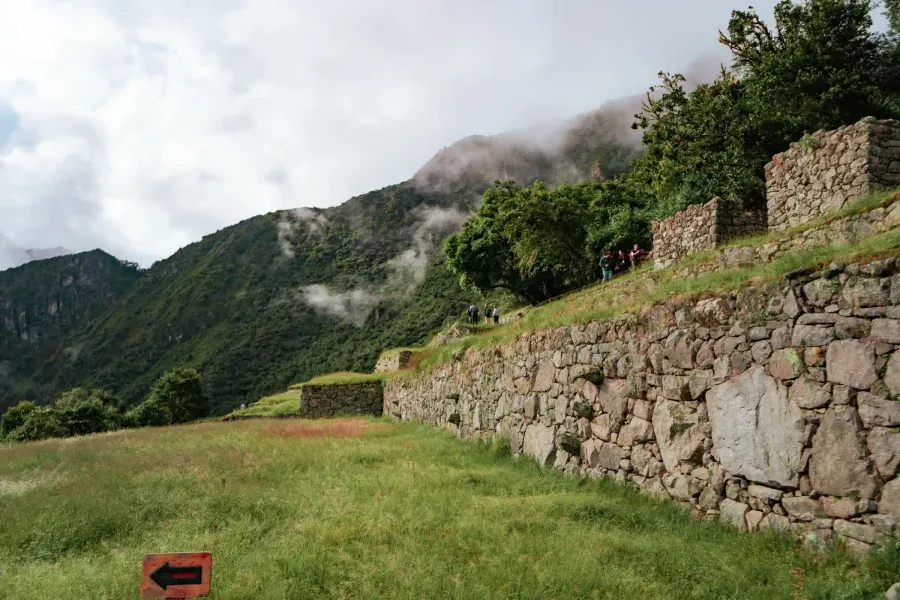
As you descend along stone-paved paths you pass a string of fascinating Inca sites — Runkurakay, a circular watchtower; the fortress-like Sayacmarca; and Phuyupatamarca, the "Town in the Clouds," known for its panoramic views and intricate water channels — alongside beautiful waterfalls and quiet forested overlooks. The final stretch leads to the spectacular Wiñay Wayna, your last campsite, with time to explore its terraces in the late afternoon.
Good to know: After a short uphill section the day is mostly downhill through high cloud forest — warm and humid by day, with cooler temperatures at night.
-
4
Wiñay Wayna → Inti Punku → Machu Picchu → Cusco
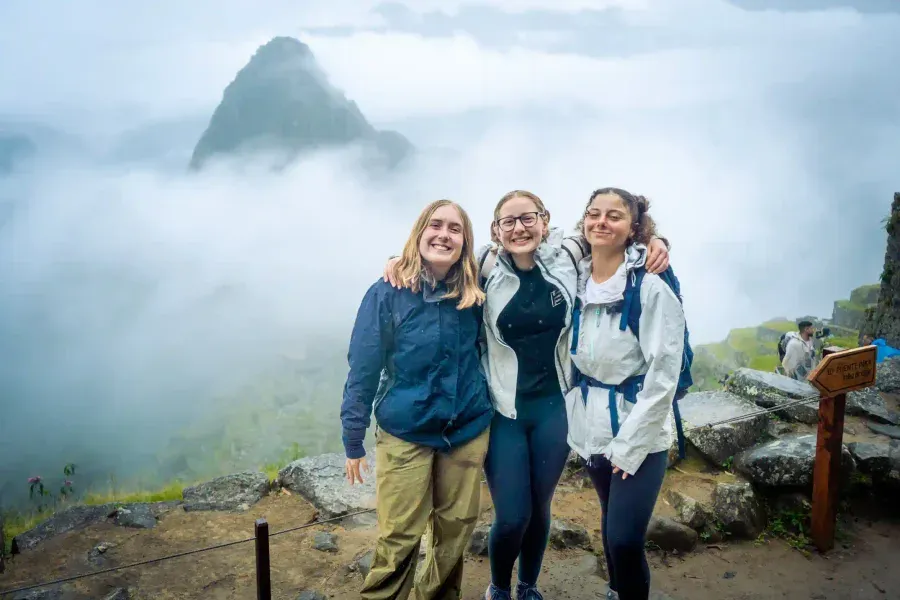
The final day is the most exciting and magical — the moment you have been waiting for. You set off very early, hiking in the pre-dawn hours toward the legendary Inti Punku (Sun Gate). If the weather is clear, you witness the first rays of sunlight illuminate Machu Picchu from above, an unforgettable reward after days of effort.
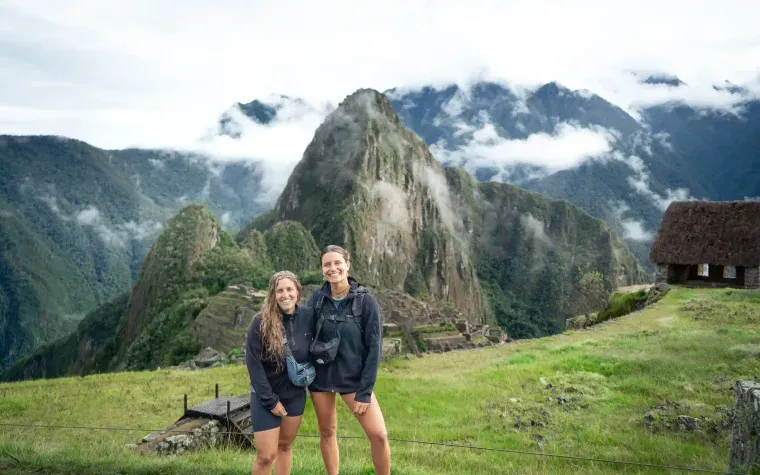
From the Sun Gate the trail descends gradually to the citadel, where you enjoy a 2–2.5-hour guided tour of this magnificent Inca sanctuary, followed by free time to explore on your own. In the early afternoon you take the bus down to Aguas Calientes for lunch, then the train to Ollantaytambo and a private transfer back to Cusco, arriving around 6:30 pm.
Good to know: The trail this day is well-preserved Inca paths and mostly downhill, crossing high cloud forest and subtropical forest on the way to the citadel.
Trek at a Glance
| Duration | 4 days / 3 nights |
| Highest point | Dead Woman's Pass — 4,215 m / 13,829 ft |
| Total distance | ~42 km / 26 mi |
| Difficulty | Challenging (altitude + stone stairs) |
| Accommodation | 3 nights camping (tents + mats provided) |
| Meals | 4 breakfasts · 4 lunches · 3 dinners |
| Group size | Max 12 travelers |
| Permit | Required & included (book months ahead) |
What's Included
Tap any item to see the full details.
Included
Not included
Prices — 2026 Season
The 4-Day Inca Trail is an all-inclusive group service with a return by train. Student and child rates are lower than the adult rate.
| Return | Adult | Student | Child (8–17) |
|---|---|---|---|
| By train | $740 | $710 | $710 |
Prices per person, group service. The student rate requires a valid university student ID (under 25). A deposit per person confirms your booking and secures your permit.
Optional Add-ons
- Huayna Picchu Mountain$60
- Machu Picchu Mountain$60
- Vistadome panoramic train (return)$45
- Trekking poles (pair, full trek)$15
- Sleeping bag (−10°C, full trek)$15
What to Pack
At the briefing you'll get a duffle bag for up to 7 kg (carried by porters, includes your sleeping bag). Everything for the day goes in your daypack. Bags over 25 L aren't allowed inside Machu Picchu.
- Always with you: original passport (+ student ID if applicable), 25–30 L daypack, 2 L water, broken-in hiking boots, headlamp, rain jacket.
- Clothing: moisture-wicking layers, warm fleece + down jacket, waterproof jacket & pants, sun hat, beanie, gloves, camp clothes.
- Extras: sunscreen, insect repellent, toiletries, quick-dry towel, power bank, personal medication, small cash in soles, sleeping bag rated to −10°C (or rent from us).
How to Book
Book online or in person at our Cusco office (Portal Nuevo 270, Plaza Regocijo). A deposit per person secures your nominative permit and Machu Picchu ticket; the balance is due at least 24 h before departure. Because permits sell out, we recommend booking 4–6 months ahead.
- Check live permit availability for your date.
- Fill in each traveler's details exactly as in their passport (permits are nominative).
- Add optional extras (Huayna Picchu / Machu Picchu Mountain, Vistadome, gear).
- Pay the deposit or full amount — you receive instant confirmation and our team follows up by WhatsApp.
Deposit: a non-refundable deposit per person is used to buy your Inca Trail permit and Machu Picchu ticket immediately.
Permit & tickets: issued by the Peruvian government to your name and passport — non-refundable, non-transferable and non-modifiable (date, name and circuit are final).
Cancellation: the deposit is non-refundable. If you paid in full and cancel, the balance beyond the deposit is refundable; already-issued tickets remain valid for their original date.
Date changes: possible only if availability exists, and require buying new permits/tickets and a new deposit.
Full terms are confirmed at checkout.
Frequently Asked Questions
Inca Trail permits sell out months in advance, especially May–September. We recommend booking 4–6 months ahead to secure your spot. Permits are released by the government and, once sold out for a date, no operator can obtain more.
It is rated moderate to challenging. The hardest day is Day 2 with the climb to Dead Woman's Pass (4,215 m). Good fitness is recommended, but no technical climbing experience is needed — just acclimatise in Cusco first.
Spend at least 2 days in Cusco (3,400 m) before the trek. Drink plenty of water, try coca tea, eat light and avoid alcohol the first day. The highest point is the 4,215 m pass on Day 2.
No. By law every trekker must go with a licensed guide and operator; independent trekking is not allowed. Porters and a cook are part of every organised departure.
The dry season (May–September) has the clearest skies and is the busiest. April and October are quieter shoulder months. The Inca Trail closes every February for maintenance.
Yes. Porters carry the group's camping gear and food, plus your personal duffle of up to 7 kg (including your sleeping bag). You only hike with a light daypack. A personal porter for extra weight can be added.