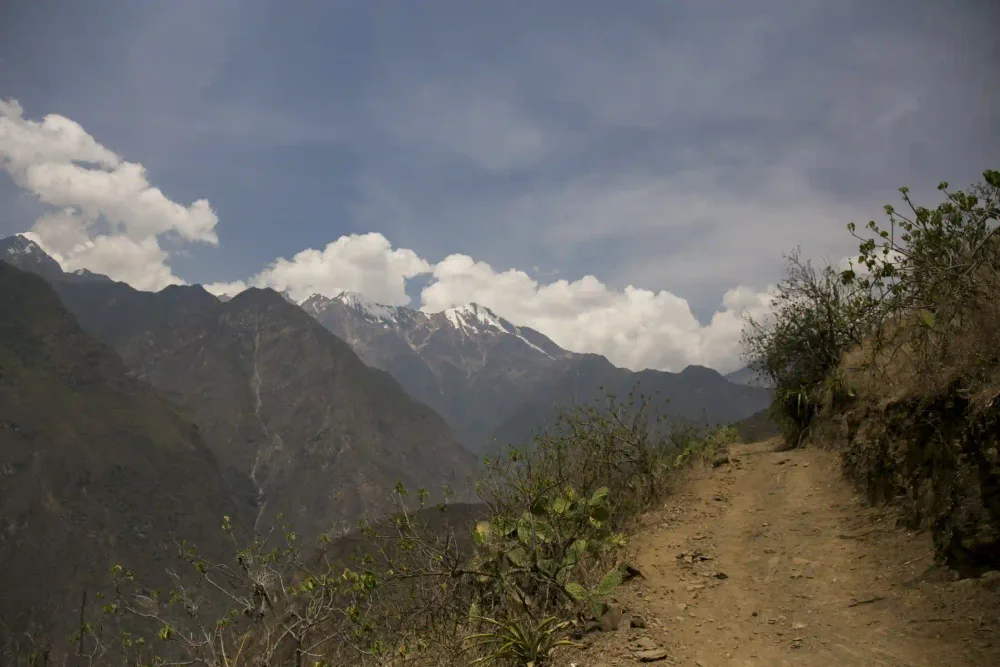
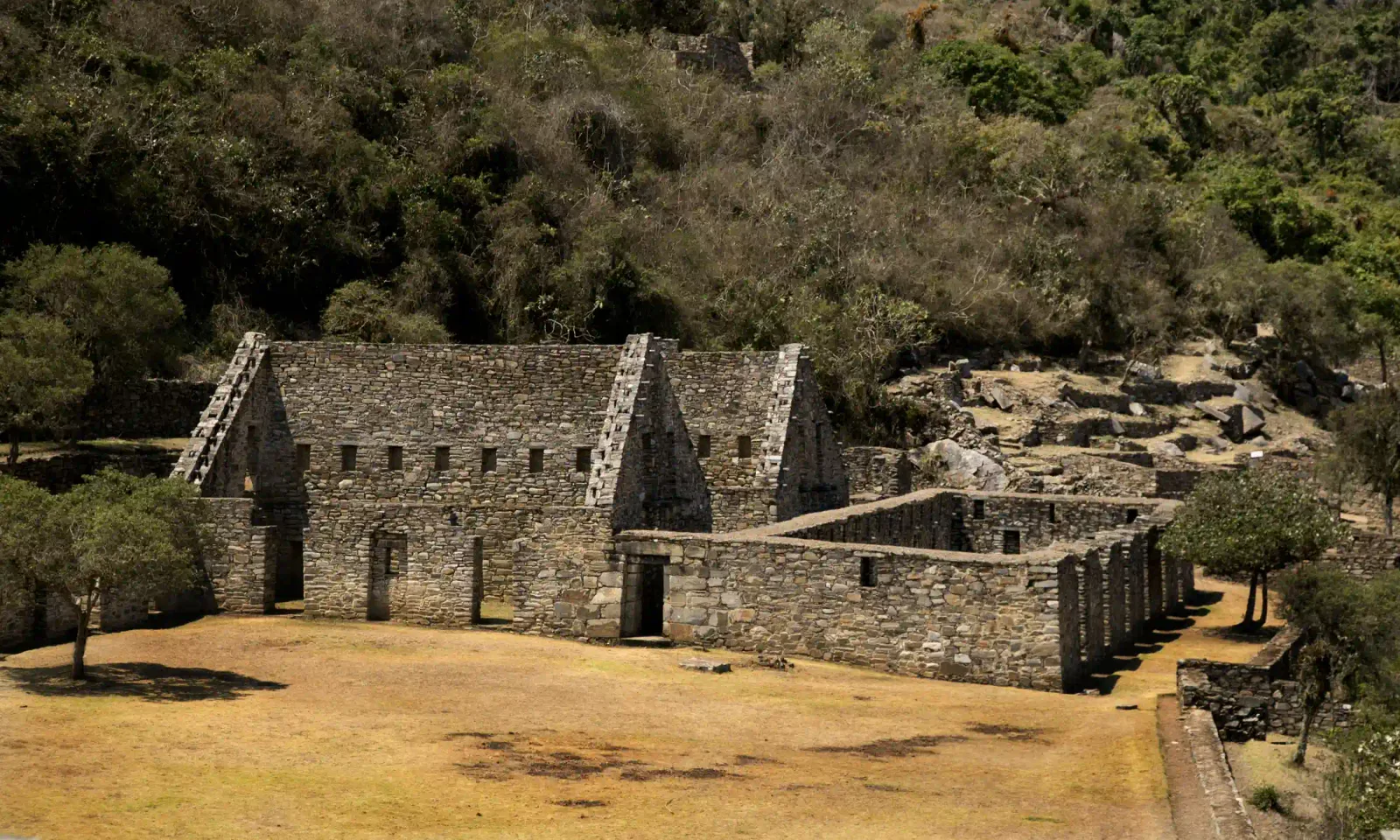
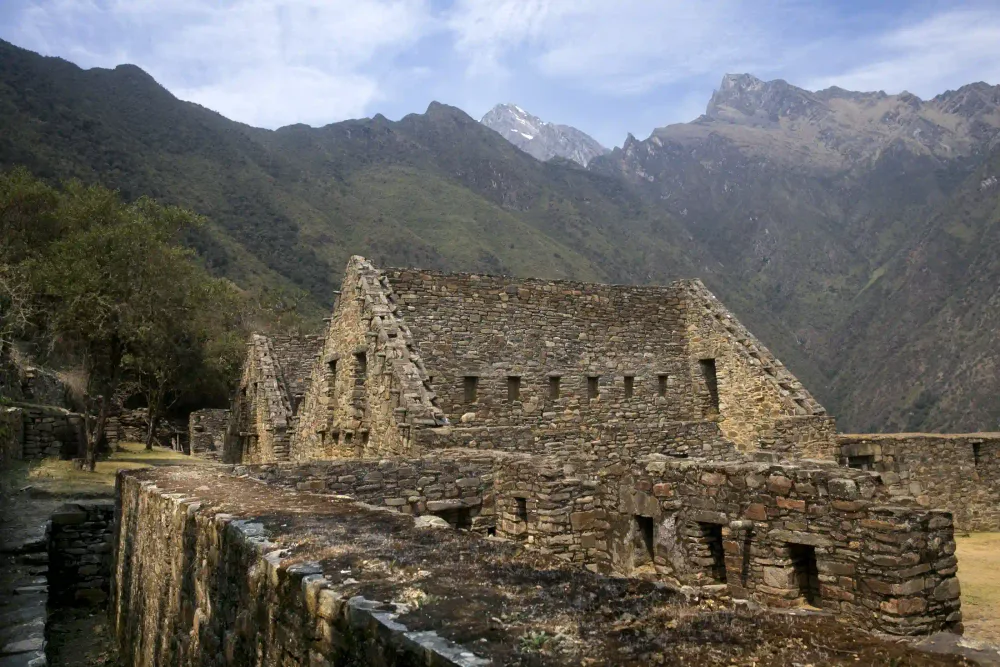
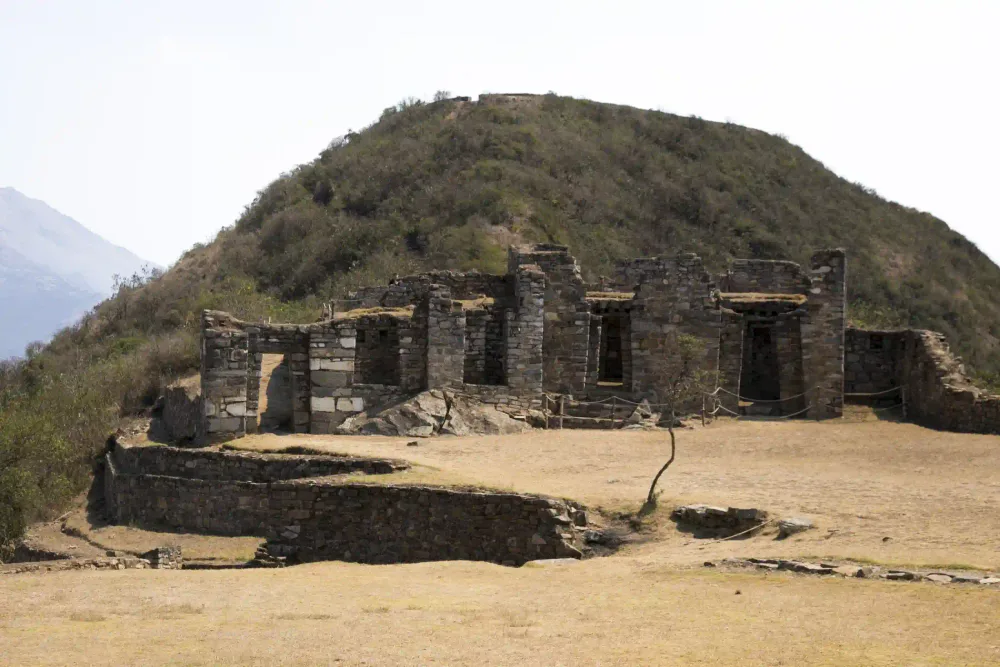
Often called the other Machu Picchu, Choquequirao is a vast Inca citadel set high above the Apurímac canyon — a sister city to Machu Picchu that many experts believe is even larger. Plazas, storehouses, residential compounds and tier upon tier of agricultural terraces spill down the mountainside, the last refuge of the Incas before the Spanish conquest.
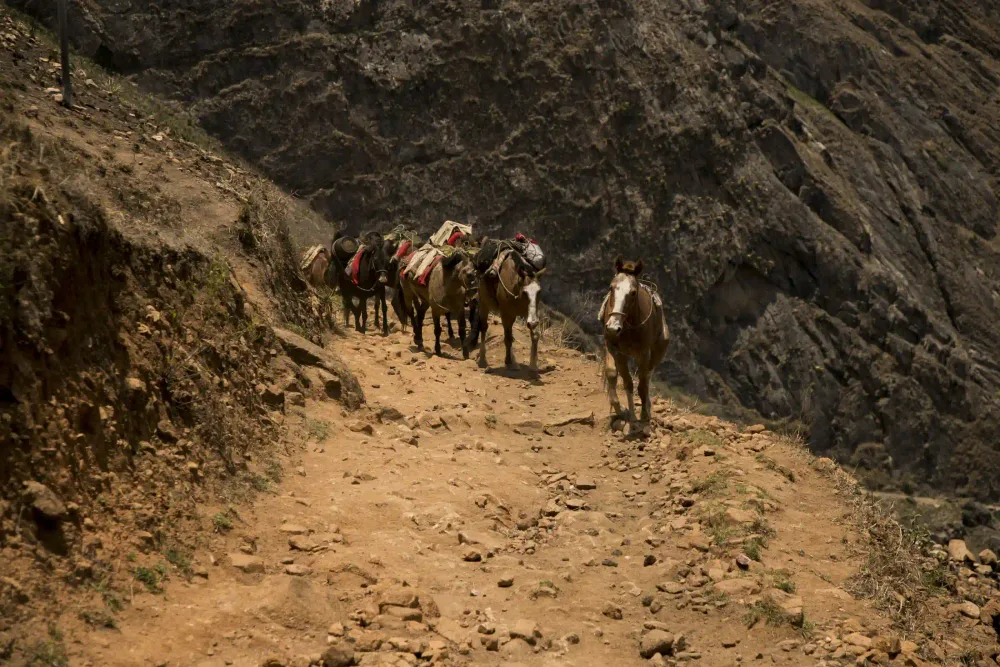
Because there is no road, train or cable car — only a demanding trek in and out of the canyon — Choquequirao receives a tiny fraction of Machu Picchu's visitors and still feels pristine and solitary. Only around 40% of the site has been excavated; the rest sleeps beneath vegetation. This guide covers the 3-day and 4-day treks, the route from Cachora, the difficulty, the best season and what to pack.
Choquequirao Trek: Key Facts
| Fact | Detail |
|---|---|
| Duration | 3 days / 2 nights or 4 days / 3 nights |
| Trailhead | Cachora, about 4 hours by road from Cusco |
| Access | On foot only — no road, train or cable car |
| Difficulty | Demanding — steep descents and climbs in the canyon |
| Accommodation | Camping on the trail (premium camping on the 4-day) |
| Group size | Small groups, up to 12 travellers |
| Best season | May to October (dry season); runs all year |
| From price | From $280 per person (4-day trek) |
3-Day vs 4-Day: Which Choquequirao Trek?
Both treks reach the same lost citadel from Cachora, are reached entirely on foot and include camping, a guide and the Apurímac canyon crossing. The 3-day is the faster, more intense round trip; the 4-day adds a day for more time at the ruins and a more comfortable pace.
| 3-Day Trek | 4-Day Trek | |
|---|---|---|
| Duration | 3 days / 2 nights | 4 days / 3 nights |
| Pace | Fast and intense | More comfortable |
| Time at the ruins | A focused visit | More time to explore |
| Meals | Breakfasts, lunches & dinners on the trail | 3 B · 4 L · 3 D |
| Price | On request | From $280 |
| Best for | Short on time, want the challenge | The full Choquequirao experience |
Best Time & Getting There
The dry season (May to October) is ideal — drier trails, safer canyon crossings and clearer views of the ruins and snow peaks. The shoulder months are quieter; January to March is the wettest, when the canyon is greenest but the steep paths can be slippery. The trek begins at Cachora, about four hours by road from Cusco, and from there it is entirely on foot — we arrange your transport, entrance ticket, camping and crew as part of every trek. Spend a night or two in Cusco first to acclimatise.
Which Choquequirao Trek Is Right for You?
If you're short on time and fit, the 3-day trek is an intense round trip — down into the canyon, up to Choquequirao, a focused visit and back. If you'd rather travel at a more comfortable pace with more time among the terraces and plazas, the 4-day trek adds an extra day and premium camping. Either way this is a demanding hike with big descents and climbs — come with good fitness and acclimatise in Cusco beforehand.
Choquequirao Trek FAQ
Choquequirao is a vast Inca citadel above the Apurímac canyon, often called "the other Machu Picchu" — many experts believe it is even larger. Like Machu Picchu it has plazas, storehouses, residences and extensive terraces, but unlike Machu Picchu it has no road, train or cable car, only around 40% has been excavated, and it sees very few visitors, so it feels wild and undiscovered.
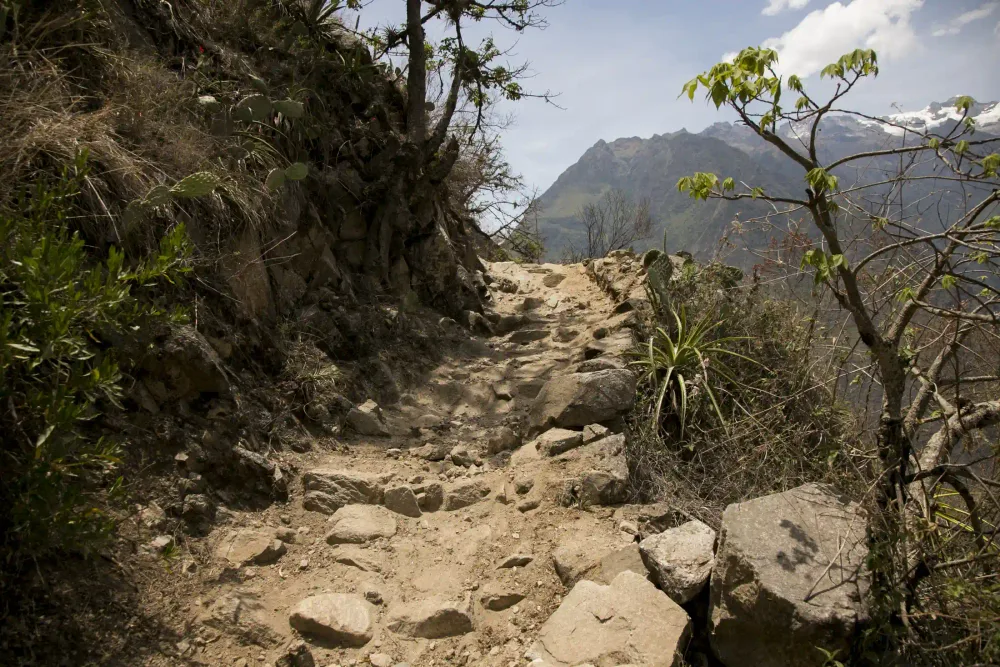
It's a demanding trek. The route drops steeply into the Apurímac canyon and climbs just as steeply up the other side, with long days on foot in the heat. There's no technical climbing, but you need good fitness and should be comfortable hiking several hours a day on steep ground. The 3-day version is more intense; the 4-day spreads the effort over an extra day.
From Cusco it's about a four-hour drive to the village of Cachora, the trailhead. From Cachora the only way in is on foot — there is no road, railway or cable car to the ruins. You trek down into the Apurímac canyon, cross the river and climb up the far side to Choquequirao, camping along the way.
The dry season from May to October is best — drier, more stable trails, safer canyon crossings and clear views of the ruins and surrounding peaks. The shoulder months are quieter with good weather. January to March is the rainiest, when the canyon is lush and green but the steep paths can be slippery and harder going.
Bring sturdy broken-in trekking shoes, layers for hot canyon days and cold nights, a light rain jacket, sun hat, sunglasses, strong sunscreen, insect repellent, a reusable water bottle, a headlamp and a small daypack. Trekking poles really help on the steep descents and climbs. Camping equipment and mules for the main gear are provided; a sleeping bag can be rented.