
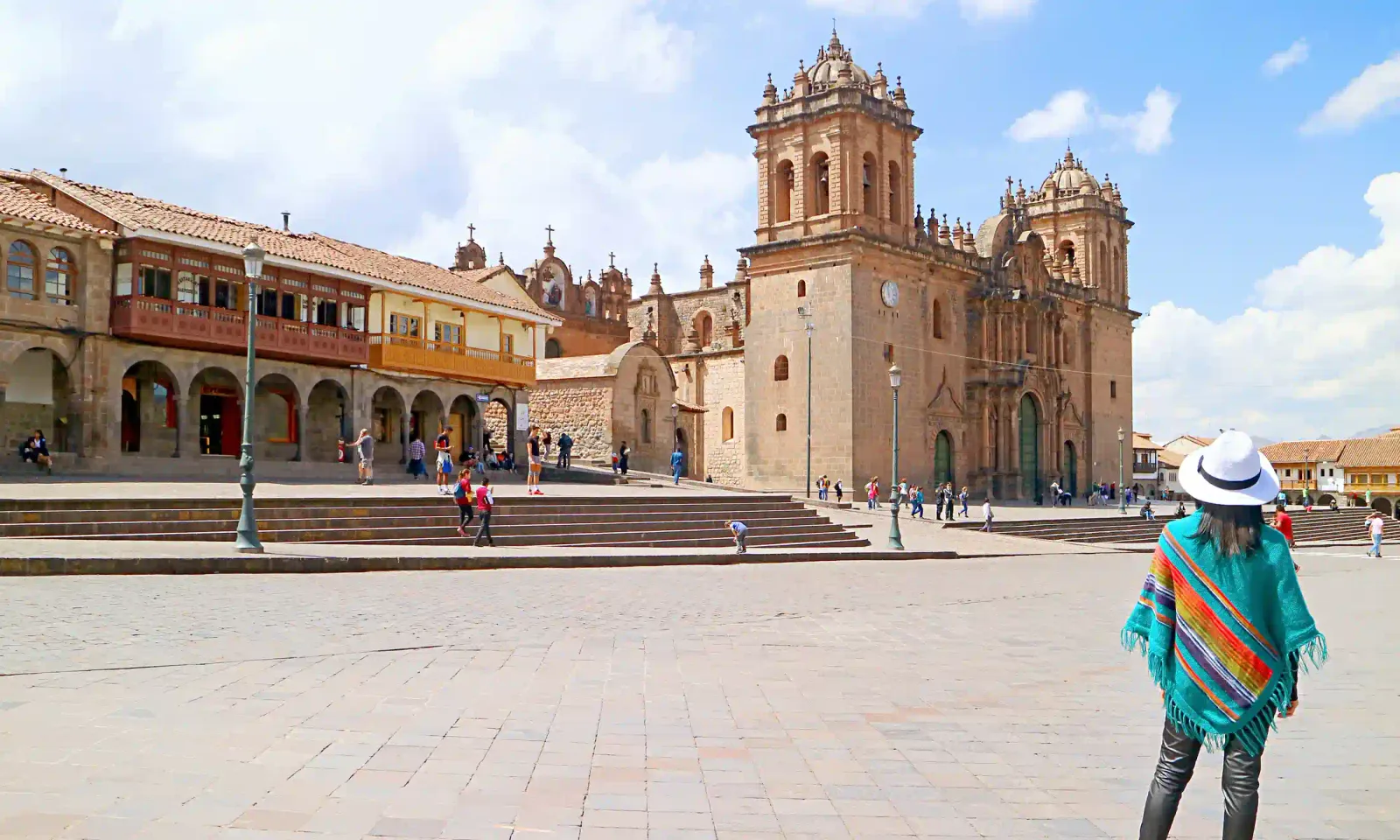
Many travellers fly straight from Lima — which sits at sea level — and find themselves a few hours later in Cusco at 3,400 m (11,150 ft). That sudden jump in altitude is exactly what can trigger altitude sickness, known in Peru as soroche and medically as acute mountain sickness (AMS). The good news is that with a little knowledge and a couple of easy days to acclimatise, the vast majority of visitors enjoy Cusco, the Sacred Valley and Machu Picchu without trouble. This guide explains what soroche is, how to recognise it, and how to prevent and treat it.
What is altitude sickness (soroche)?
Altitude sickness is your body's reaction to the lack of oxygen at high altitude. As you climb, atmospheric pressure drops and there is less oxygen and nitrogen in the air, so the lungs cannot deliver as much oxygen to the blood. The medical name for this oxygen shortage is hypoxia, and it is the main cause of soroche. Symptoms typically appear when you ascend quickly to places above 2,400 metres, and they affect above all people who normally live below 900 m and are not used to high altitude. How badly it hits you depends on several factors: how fast you ascend, the altitude you start from, how much physical effort you make, and your own individual susceptibility.
Symptoms of altitude sickness
In most cases the symptoms are temporary and ease off as your body adjusts. People who live at low altitude often notice them a few hours after arriving, especially at night. The most common signs of soroche are:
| Level | Typical signs |
|---|---|
| Common (mild) | Headache, dizziness or nausea, weakness and tiredness, loss of appetite, restlessness |
| Sleep-related | Drowsiness, insomnia, or waking suddenly with a choking sensation (nocturnal dyspnoea) |
| At greater height | Swelling of hands, feet and face, faster heart rate, trouble seeing or walking |
| Serious (rare) | High-altitude pulmonary or cerebral edema — descend immediately and get medical help |
The most serious consequences are high-altitude pulmonary edema and cerebral edema. These are rare, but they can be fatal if you do not descend to a lower altitude quickly, so they should always be taken seriously.
How to prevent altitude sickness
The single best defence is acclimatisation — ascending gradually so your body has time to adapt to the thinner air. The human body usually gets used to a new altitude after 2 to 3 days, though this varies with age, fitness and tolerance. For trekking, the International Union of Mountaineering Associations (UIAA) recommends a maximum daily altitude gain of about 500 metres once you pass 3,000 m, with a rest day every 3 to 4 days. Beyond going slowly, these habits make a real difference:
- Take it easy at first. Slow your pace, climb steps one at a time and avoid hard physical effort on your first day.
- Stay hydrated. Drink plenty of water — around 2 to 3 litres a day — to help your body through acclimatisation.
- Eat light and smart. Favour carbohydrates, fruit, vegetables and Andean grains such as quinoa and kiwicha; avoid very fatty, very spicy or very large meals, as digestion works differently up high.
- Avoid alcohol and tobacco. Both make symptoms worse, especially in the first days.
- Rest well. Sleep at least 8 hours and don't try to do too much too soon.
- Try coca. Coca leaves are a centuries-old Andean remedy, taken as mate de coca (tea) with breakfast or dinner, as sweets, or simply chewed.
There is a useful Andean saying: "drink before you are thirsty, eat before you are hungry, wrap up warm before you are cold, and rest before you are exhausted." If you are prone to altitude sickness it is worth seeing a doctor before your trip to ask whether you can take any preventive medication — but never self-medicate, especially if you have allergies.
How to treat and combat soroche
If symptoms appear, the golden rule is simple: do not keep ascending, and above all do not sleep higher. Stop, rest and let your body catch up. If the soroche gets worse, descend to a lower altitude and rest until it passes, or see a doctor. In a pharmacy in Cusco you can buy local aids without a prescription: Sorojchi Pills, which help reduce the most uncomfortable symptoms such as dizziness, fatigue and headache, and small oxygen canisters, sold in many hotels and pharmacies, that give you a quick breath of extra oxygen. If symptoms are severe or do not improve, a doctor may run tests and prescribe oxygen or medication. Always remember this is general travel information, not personalised medical advice.
Acclimatising in Cusco before a trek
There is a direct link between altitude sickness and how fast the altitude changes — the sharper the jump, the worse the symptoms. That is why our trekking experts always advise spending at least one day in Cusco, ideally two, before setting off. Cusco is a big, beautiful city with plenty to see, so those acclimatisation days are far from wasted. It matters even more for high routes: the Salkantay trek, for example, crosses the Salkantay pass at around 4,600 m, and the classic Inca Trail tops out at the Warmiwañusca pass (about 4,200 m). Take the easy days first and your trek will be far more enjoyable. There is one golden rule for high-altitude trekking above all others: listen to your body.
When to see a doctor
Most soroche is mild and passes within a day or two. But seek medical attention promptly if symptoms are severe or keep getting worse, if you have trouble breathing at rest, confusion, or difficulty walking, or if you notice any of the serious signs in the table above. It is always sensible to see a doctor before a high-altitude trip if you have any health concerns, and to travel with reliable travel medical insurance. When in doubt, descend and get help — it is the safest choice you can make at altitude.
Altitude Sickness in Cusco FAQ
Soroche is the local name for altitude sickness, or acute mountain sickness. It is your body's reaction to the lack of oxygen (hypoxia) at high altitude and usually appears when you ascend quickly above about 2,400 m.
The most common symptoms are headache, dizziness or nausea, tiredness, loss of appetite and disturbed sleep. They are usually mild and ease as you acclimatise; severe cases need a doctor.
The body usually adjusts after 2 to 3 days, though it varies by person. We recommend spending at least one day in Cusco — ideally two — and taking it easy before any trek.
Coca leaves are a traditional Andean remedy used for centuries to ease the discomfort of altitude. You can drink them as mate de coca, take them as sweets or chew them. Staying hydrated and resting helps too.
Stop ascending and do not sleep higher. Rest, hydrate, and if it does not improve, descend to a lower altitude and see a doctor. Seek medical help promptly for severe symptoms such as breathlessness at rest or confusion.
Acclimatise the easy way — with a Cusco tour
Spend your first days exploring Cusco and the Sacred Valley at a gentle pace, then head out on a trek once you're ready. Our local team can plan the whole itinerary for you.