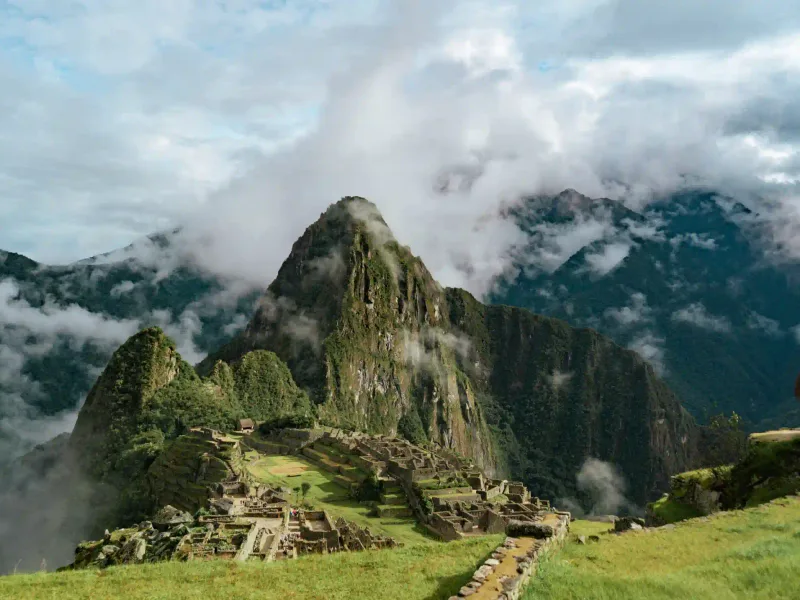
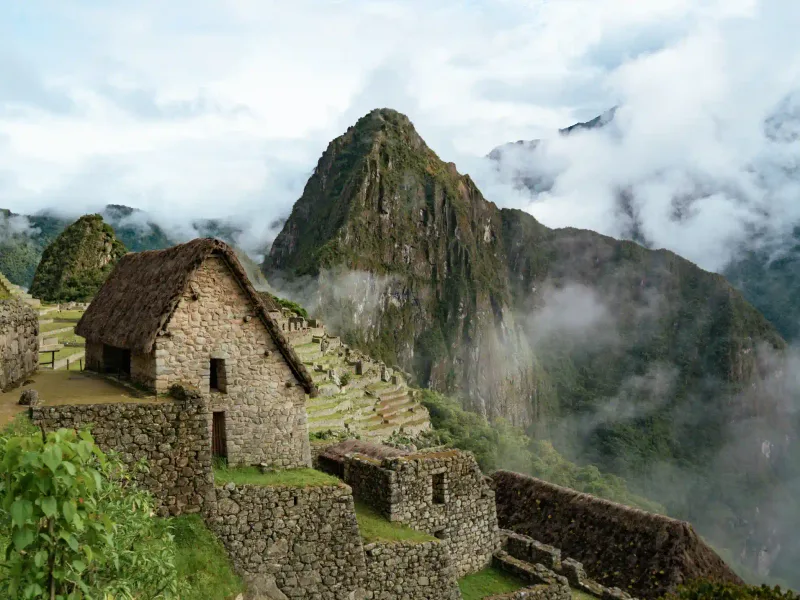
The Inca Jungle Trail is the most thrilling way to reach Machu Picchu. Instead of a pure hike, it combines downhill mountain biking, white-water rafting, zip-lining, hot springs and a jungle trek through changing landscapes — from the high Andes down to the subtropical cloud forest at the foot of the citadel.
Unlike the Classic Inca Trail, the Jungle route has no daily permit limit, so it can be booked at short notice and runs daily. It's perfect for active travellers who want variety and adrenaline as well as the grand reveal of Machu Picchu. This guide explains the 3-day and 4-day options, the route, difficulty, best season and what to pack.
Inca Jungle Trail: Key Facts
| Fact | Detail |
|---|---|
| Duration | 3 days / 2 nights or 4 days / 3 nights |
| Activities | Mountain biking · rafting · zip-line · trekking · hot springs |
| Highest point | ~4,300 m at Abra Málaga (the bike start) |
| Difficulty | Moderate — active, but no technical climbing |
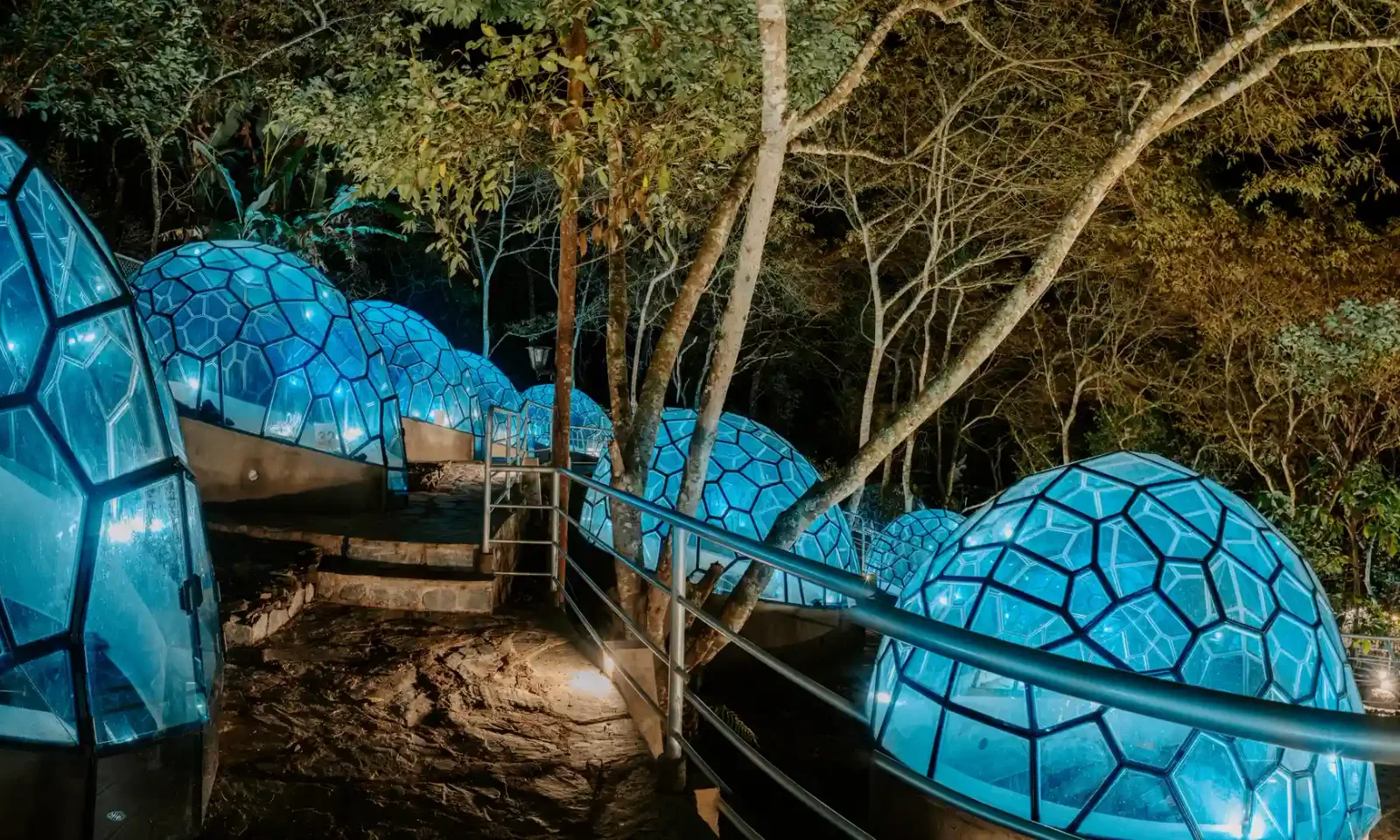
| Accommodation | Simple hostels / lodges in town (private rooms) |
| Group size | Small groups, up to 12 travellers |
| Best season | May to October (dry season); runs all year |
| From price | From $230 per person (3-day trek) |
3-Day vs 4-Day: Which Inca Jungle Trek?
Both versions share the same highlights — biking, rafting, zip-lining, hot springs and Machu Picchu. The 3-day is faster and more affordable; the 4-day adds an extra day on foot for more trekking and a more relaxed pace.
| 3-Day Trek | 4-Day Trek | |
|---|---|---|
| Duration | 3 days / 2 nights | 4 days / 3 nights |
| Pace | Fast, action-packed | More relaxed |
| Time on foot | About one trekking day | About two trekking days |
| Meals | 3 B · 2 L · 2 D | 4 B · 3 L · 3 D |
| Price | From $230 | From $240 |
| Best for | Short on time | The full jungle experience |
Best Time & Machu Picchu Tickets
The dry season (May to October) is ideal — sunny days and the best conditions for biking, rafting and clear views at Machu Picchu. The shoulder months are quieter; January to March is the wettest, though the jungle is at its greenest. Entry to Machu Picchu is by timed-entry ticket with limited daily numbers, and we secure your ticket, transport and the activities as part of every trek — book ahead in high season.
Which Inca Jungle Trek Is Right for You?
If you're short on time or want the most action per day, the 3-day trek packs the biking, rafting, zip-line and Machu Picchu into a tight, exciting itinerary. If you'd rather travel at a gentler pace and spend more time hiking through the cloud forest, coffee country and hot springs, the 4-day trek adds an extra day on foot. Either way, spend 1–2 nights in Cusco beforehand to acclimatise before the high bike start.
Inca Jungle Trail FAQ
The Inca Jungle Trail is an adventure combo that mixes downhill mountain biking, white-water rafting, zip-lining, hot springs and a jungle trek, finishing with a guided visit to Machu Picchu. Unlike the Classic Inca Trail — which is pure hiking and needs permits booked months ahead — the Jungle route has no daily limit, offers more adrenaline activities, and is perfect for travellers who want variety.
It's moderately challenging — great for active people but not extreme. The biking is mostly downhill, the rafting and zip-lining are fun and safe, and the trek to Machu Picchu is uphill but shorter than the classic routes. Basic fitness is enough and no prior experience is needed for most activities. If you can bike or hike for a few hours, you'll be fine.
The dry season (May to October) is ideal — sunny days, less rain and the best conditions for biking, rafting and clear views at Machu Picchu. Shoulder months like April and November have fewer crowds and good weather. January to March is the rainiest, though the jungle is lush and green.
Bring quick-dry clothes, swimwear (for rafting and the hot springs), comfortable shorts or trousers, a lightweight rain jacket, sturdy trainers or trekking shoes, sunscreen, a hat, insect repellent, a reusable water bottle, a small daypack and layers — Andean mornings are cold and jungle afternoons are hot. Bikes, helmets, life jackets and zip-line gear are provided.
Yes — it runs with professional guides, quality equipment and safety briefings for every activity. Altitude is highest at the bike start (~4,300 m) but drops quickly into the warm valley, so altitude sickness is less of a concern than on higher treks. Drink plenty of water, take it easy on the first day, and most people feel great by day two in the lower, warmer elevations.