
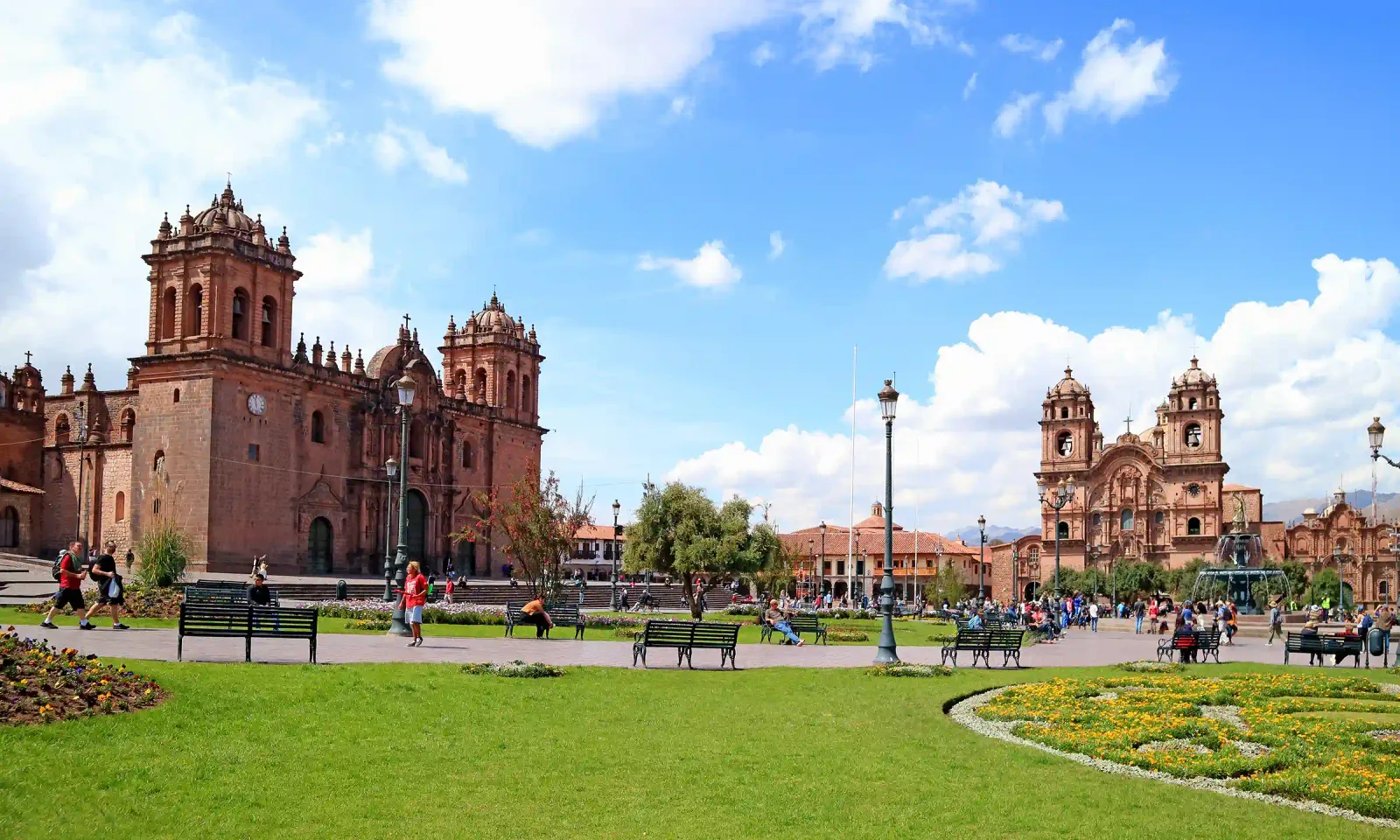
Peru is one of South America's most rewarding destinations — a country where ancient Inca cities, world-class food and a landscape that runs from desert coast to high Andes to Amazon rainforest all come together. If you are planning your first trip, here are the things worth knowing about the people, the geography, the highlights and the practical details before you go.
What are the people like in Peru?
Peruvians are generally warm, hard-working and welcoming. Wherever you are, it is usually easy to find someone friendly who will help you with directions or a question, often with a kind smile. People here can be a little reserved compared with other countries, but that rarely gets in the way of the genuine hospitality visitors notice — many travelers say they end up feeling at home.
You may read online that Peru is unsafe. That picture is exaggerated: petty crime exists in some urban areas — mostly in and around big cities such as Lima, where more than half the country's population is concentrated — but it cannot be generalized to the whole country. Take normal precautions in busy city zones and Peru is a safe and hugely rewarding place to visit.
Geography: three regions, one country
Peru's geography is among the most varied on Earth. The country is split into three great regions — the coast, the Andes mountains and the Amazon jungle — and within them you'll find some of the world's highest peaks, deepest canyons, tallest waterfalls, vast rivers like the Amazon, deserts and beautiful beaches. This range is why Peru holds 84 of the world's 117 climates and life zones, making it one of the most biodiverse places on the planet.
Must-see highlights
There is far more to Peru than a single ruin. A few of the places worth building a trip around:
- Machu Picchu — the 15th-century Inca citadel in the Cusco region, officially brought to the world's attention by Hiram Bingham in 1911 and today one of the New 7 Wonders of the World.
- The Nazca Lines — giant figures stretching for kilometers across the Nazca desert in the Ica region, a mystery since their study by Paul Kosok in 1927.
- Cusco — the ancient capital of the Inca Empire, where Inca stonework sits beneath colonial churches, art and museums.
- Lima — the "City of Kings," with colonial mansions, viceregal-era temples and the country's finest museums.
- Kuélap — a dramatic stone city of the Chachapoyas culture set between the Andes and the Amazon in the north.
Food and drink
Peruvian cuisine is rated among the best in the world, built on a mix of indigenous, Spanish, African and Asian influences and ingredients from the coast, the mountains and the jungle. On the coast the star is ceviche (fresh fish cured in lime with chili and onion); in the highlands, lomo saltado (stir-fried beef with tomato, onion and potatoes); and in the Amazon, tacacho con cecina. Don't miss anticuchos, ají de gallina or causa limeña either.
To drink, try Pisco, the country's signature grape brandy distilled in the Ica valleys and the base of the famous Pisco Sour.
Quick facts about Peru
| Fact | Detail |
|---|---|
| Continent | South America |
| Capital | Lima (the "City of Kings") |
| Languages | Spanish, plus Quechua and other native languages |
| Currency | Sol (PEN) |
| Main regions | Coast, Andes mountains, Amazon jungle |
| Climates / life zones | 84 of the world's 117 |
| World wonder | Machu Picchu (Cusco region) |
| Suggested daily budget | From about US$35 for basics (excludes tours) |
Practical tips before you go
Peru's cost of living is relatively low, but it helps to plan a daily budget of at least about US$35 for basics such as food and transport — on top of any tours you have already booked. Cards work in most places, but always carry some cash for emergencies and spots that don't accept them. Note that amounts over US$10,000 must be declared to customs (SUNAT) on arrival, with a US$30,000 limit overall.
Entry is easy for many South American visitors: travelers from countries such as Colombia, Bolivia, Ecuador, Argentina, Brazil, Chile, Paraguay, Venezuela or Uruguay can enter for tourism with a valid national ID (valid for at least 6 months) instead of a passport.
Peru travel FAQ
Yes. Petty crime exists in some busy city areas, especially around Lima, but it shouldn't be generalized to the whole country. With normal precautions, Peru is a safe and welcoming place to travel.
The capital is Lima, known as the "City of Kings." It holds more than half the country's population and is home to colonial mansions, historic temples and Peru's best museums.
Spanish is the main language, but Quechua — the language of the Incas — and other native languages are also widely spoken, especially in the Andes.
Plan a daily budget of at least about US$35 for basics such as food and transport, on top of any pre-booked tours. Cards are accepted in most places, but carry some cash too. Amounts over US$10,000 must be declared to customs.
Machu Picchu, the Inca citadel in the Cusco region between the Andes and the Amazon, is one of the New 7 Wonders of the World and Peru's most famous attraction.
Ready to experience Peru for yourself?
Our local team runs guided tours across Cusco and to Machu Picchu — with bilingual guides, tickets and transport handled, so you can focus on the adventure.